leave a message
If you are interested in our products and want to know more details,please leave a message here,we will reply you as soon as we can.

Over the past two years, we’ve received a growing number of inquiries from contractors and property owners facing the same frustrating issue: SPC floors they sourced from other suppliers are showing signs of warping, edge lifting, or tenting—often within just months of installation. Many ask us:“I thought SPC was supposed to be stable—what went wrong?”
The truth is, SPC technology itself is inherently stable. But its performance depends entirely on precision in production and discipline in installation. What you’re seeing in those failing floors isn’t a material defect—it’s the result of overlooked engineering details and installation shortcuts. Having analyzed dozens of such cases, we’ve traced most failures back to three hidden fracture points that separate truly stable flooring from those that simply claim to be.
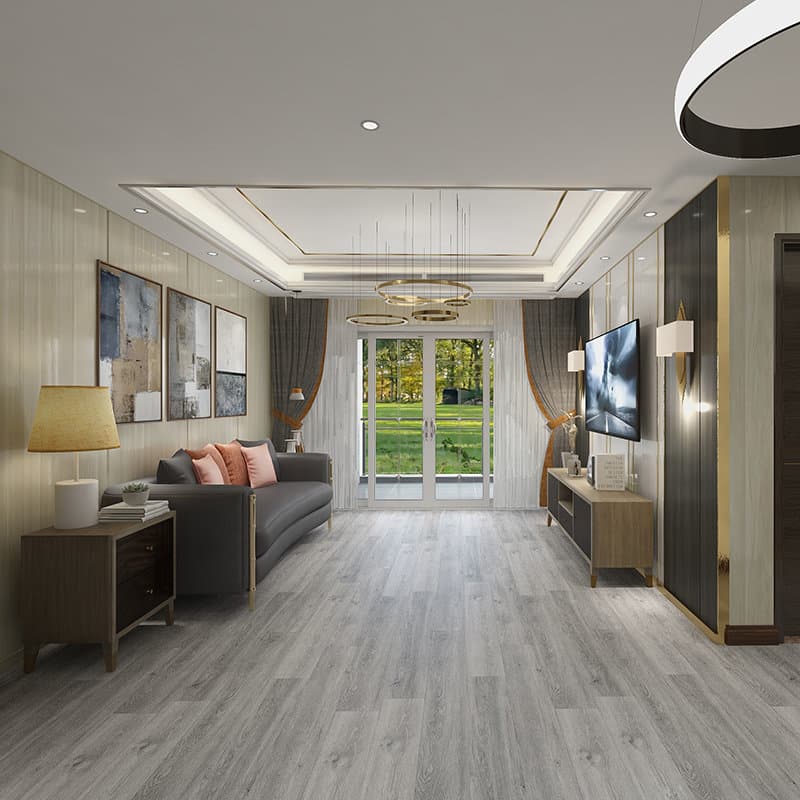
The Three Hidden Fracture Points
1. The Inhomogeneous Core
An SPC core should be a homogeneous matrix where limestone filler is perfectly dispersed in the polymer binder. Inconsistent density—often from inadequate mixing or uneven cooling during calendering—creates internal stress points. Think of it like a brick made with unevenly mixed clay: some areas expand more than others when exposed to moisture or heat.
2. The Unbalanced Structure
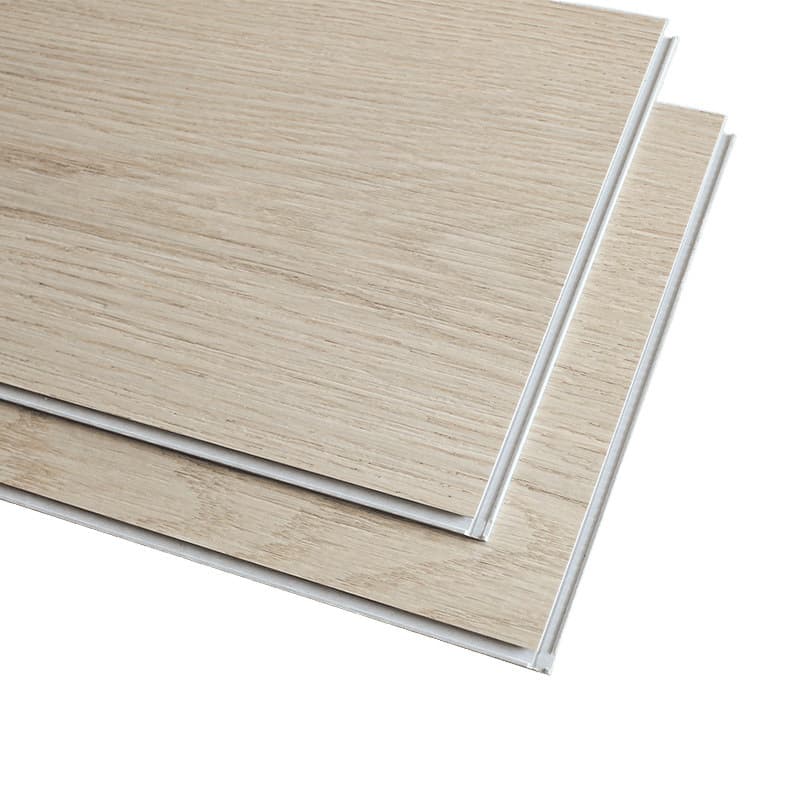
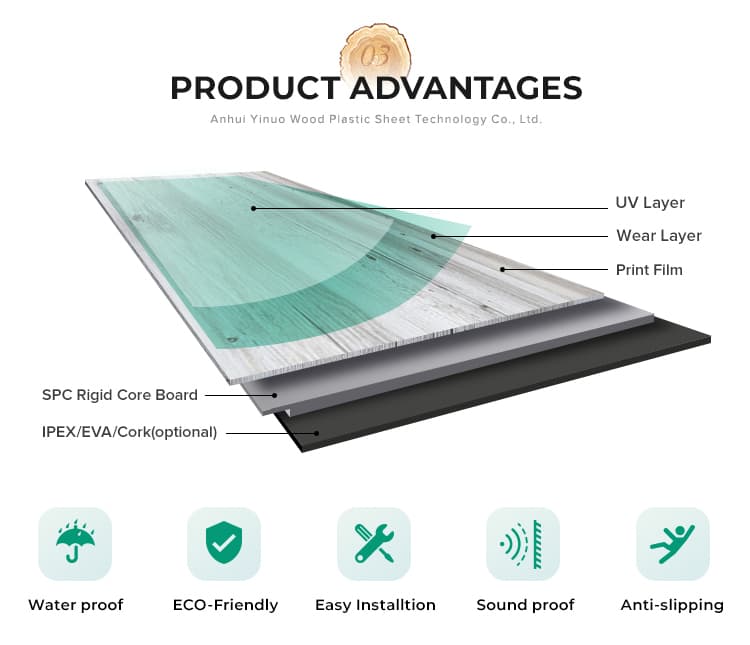
Every SPC plank is a composite: wear layer, print film, core, and backing. If the tension (shrinkage rate) of these layers isn't perfectly balanced during the hot-press lamination, the finished product carries built-in stress. When activated by temperature changes, the plank will curl toward the tighter layer. A weak or non-existent backing layer fails to counteract the pull of the top layers.
3. The Poorly designed Lock
This is the most overlooked factor. The locking system is not just a connection; it's a mechanical joint that must accommodate movement. A lock that is too tight ("zero-clearance" marketing) leaves no room for natural thermal expansion. The collective pressure of hundreds of planks has nowhere to go but up, causing a "tenting" effect. Conversely, a lock that is too loose allows micro-movement, creating friction, wear, and eventual failure.
The Installer's Crucial Role: Creating a Stable Environment
Even a perfect plank can fail in an imperfect environment. Our post-mortem analysis shows 70% of field warping traces back to installation conditions violating the product's physical limits.
1、Acclimation is Non-Negotiable:
SPC needs to acclimate to its operational temperature, not just room temperature. If the floor will be used with 28°C underfloor heating, boxes must be opened and spread out in that heated environment for at least 48 hours.
2、Expansion Gaps are Sacrosanct:
Under sustained direct sunlight or high heat, an SPC floor can expand linearly by 0.5mm per meter. A 10-meter run needs a full 5mm of space at the perimeter. We mandate the use of calibrated spacer tools, never makeshift materials like cardboard.

Warping isn’t an inevitability. It’s a problem of physics that can—and must—be solved through engineering. While others cut costs on core consistency, layer balancing, or locking precision, Enoch has built our process around preventing the very failures you may have experienced elsewhere.
If you’ve been let down by unstable flooring in the past, let’s talk about what true stability looks like.
Tel : +86 -18994102661
Whatsapp : +8618994102661
Huangba Industrial Zone, Wujiang, Hexian County, Maanshan City, Anhui province, China
Email : Kay@yinuofloor.com





VR
 IPv6 Network Supported
leave a message
Hi! Click one of our members below to chat on